Storm-hit Queensland and NSW warned to watch for ‘disaster chasers’
More than 9,000 storm claims have been lodged across Queensland and New South Wales since 11 November. The Insurance Council of Australia is warning affected households to check before letting anyone in, or signing anything, after a storm.
By Andre Lang ·
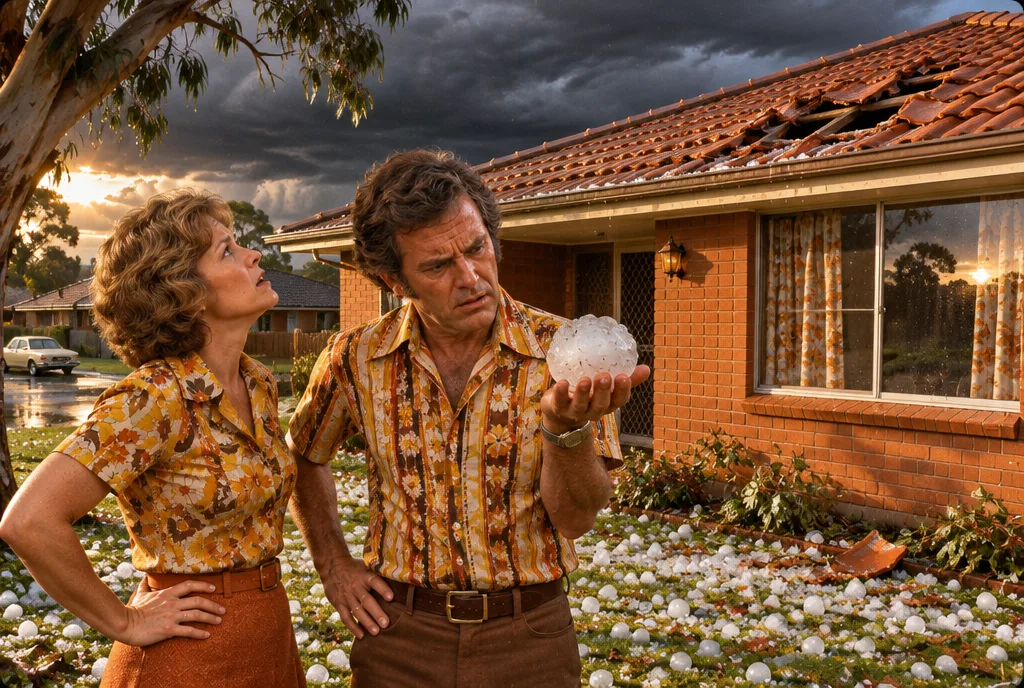
Severe storms moved through South East Queensland and northern New South Wales from 11 to 17 November, and the Insurance Council of Australia (ICA) declared a Significant Event, SE265, covering claims from both states over that week. By 19 November insurers had received more than 9,000 claims, with damage reaching Logan, Gatton, the Lockyer Valley and Woodford in Queensland, and the Mid North Coast, Hunter and Central West in NSW. The ICA says about three in ten Queensland home claims involve spoiled food, after extended power outages.
On 19 November the ICA issued a separate warning to households in the affected areas: watch for “disaster chasers” going door to door in storm-hit streets.
In short
- What happened: storms in QLD and NSW, 11 to 17 November, over 9,000 claims lodged.
- The warning: some door-knockers claim to have found damage, or to be acting for your insurer.
- The tactic: cash up front for debris removal, inspections or repairs, and a contract signed on the spot.
- The fix if you’ve already signed: a 10 business day cooling-off period applies by law.
What is a “disaster chaser”?
It is the ICA’s term for an opportunist who turns up uninvited after a storm, flood or bushfire, usually door-knocking a damaged street rather than being called. The ICA says some claim to have already inspected a property and found damage, and in bolder cases claim to be sent by the household’s own insurer. Offers range from tree and debris removal to roof inspections, make-safe work or full repairs, and some offer to lodge or manage the insurance claim itself.
How do they get people to pay?
The ICA’s description is consistent across storm events: a cash payment up front, sometimes for work that is then done poorly or not at all, and pressure to sign a contract immediately, before a household has had time to call its insurer or compare it with anything else. A signature given this way can commit a household to a repair price before they know what their insurer will pay for.
What does a genuine insurer do differently?
The ICA’s point of difference is simple: a real insurer tells its customer before it sends anyone to the property, and the tradespeople it sends do not ask for payment on the doorstep. If a caller cannot say which claim number they are responding to, or asks to be paid before any insurer has confirmed the work, the ICA’s advice is to check with the insurer directly before agreeing to anything.
What if I’ve already signed something?
Under the Australian Consumer Law, a contract entered into after unsolicited, uninvited contact, such as a door-knock, is an unsolicited consumer agreement, and the person who signed it has a statutory 10 business day cooling-off period to cancel it without penalty. The ICA says an insurer can help a customer who has signed something they are unsure about work out their options.
What should I do if my home or car was affected?
The practical first step the ICA points to is the same one that applies after any storm: call your insurer or start a claim with them first, and get repair quotes through that process rather than from someone who knocked on the door. Our claims page sets out how to reach us if you need to lodge one. A home insurance policy commonly covers storm damage to the building and contents, subject to its own terms; a rented-out property is usually a landlord insurance question instead. Hail and falling debris can just as easily damage a parked car, which a comprehensive car insurance policy commonly covers.
Sources
- Insurance Council of Australia, Significant Event SE265, reported by Insurance Business Australia, “Storm declaration extended as claims pass 7,500 across Queensland and NSW”, 18 November 2026.
- Insurance Council of Australia, disaster chasers warning, reported by Insurance Business Australia, “ICA warns of ‘disaster chasers’ posing as insurers after QLD, NSW storms”, 19 November 2026.
- NSW Fair Trading, “Unsolicited consumer agreements”, on the 10 business day cooling-off period under the Australian Consumer Law.
General information only
This story reports what insurers returned for the answers it describes, on the date it gives. It is general information, not advice, and it doesn’t consider your objectives, financial situation or needs. Prices change and depend on the home, the address and the cover chosen. Read the PDS for any cover you are considering. How we report is set out on our news page.
See your own price
One form, the PDS beside every price, and a broker to ask when a condition doesn’t make sense.