General information only
This guide explains what published policy wordings say and what Australian law requires. It is general information, not advice, and it doesn’t consider your objectives, financial situation or needs. Policies differ, and wordings change: the PDS, policy wording and schedule for your own cover are the documents that count. The insurers quoted here are examples we could read in full; they are not necessarily on our panel.
The short version
- A sole trader is personally liable for the business, so a claim for someone else’s injury or damaged property can reach your own assets.
- Public liability is generally not compulsory by law, but leases, councils, markets, venues and head contractors commonly require it.
- For low-turnover businesses we priced, it came back at about $300 to $830 a year for $5 million to $10 million of cover.
- It doesn’t cover your own injury, your own tools, or mistakes in advice you charge for. Those are other covers.
Why public liability matters more for a sole trader
A company is a separate legal person, so a claim against it is generally paid from the company’s money. A sole trader is not separate from the business: you are the business. If a customer trips over your extension lead, or your ladder falls and damages a client’s car, the claim is against you personally, and your savings, car and home are what stand behind it.
Public liability insurance puts the insurer between that claim and you: it pays the compensation you are found legally liable for, up to the limit, and the legal costs of defending the claim, subject to the policy wording.
Do sole traders have to have public liability?

For most sole traders it is not a legal requirement. In practice, many can’t trade without it, because the people they work with ask for it:
- Head contractors and builders, before a subcontractor starts on site (see insurance for plumbers and electrician insurance for two trades in detail).
- Councils, for permits such as footpath trading, events or training in a park (see what a personal trainer paid for the $20 million many councils ask for).
- Markets, venues and shopping centres, before a stallholder sets up (see market stall insurance).
- Landlords, under a lease, if you rent a workshop, studio or shopfront.
- Clients, when a contract has an insurance clause.
- Some trade licences require it as a condition of holding the licence.
They usually want to see it as a certificate of currency from the insurer, at a stated limit, most often $10 million or $20 million.
What public liability covers for a sole trader, and what it doesn’t
Public liability is written to respond to claims that you are legally liable for:
- injury to other people: a customer, a client, a member of the public;
- damage to other people’s property: a client’s floor, a neighbour’s fence, a car in the driveway;
- and, where products liability is included, injury or damage caused by something you sold or supplied.
It is not written for:
- Your own injury or lost income. That is personal accident or income protection cover.
- Your own tools and equipment. That is portable equipment cover, which can sit in the same business pack.
- Mistakes in advice or professional work you charge for. That is professional indemnity; our guide to public liability vs professional indemnity sets out the line between them.
- Your employees’ injuries. If you employ anyone, that is workers compensation, which employers must hold under state law.
- Fixing your own faulty work. Public liability can respond to the damage it causes, not to redoing the job.
Every policy has its own exclusions and conditions, set out in its PDS.
How much public liability costs a sole trader
These are real prices the insurers on our panel returned between August and October 2026, for public liability on its own, for businesses at the kind of turnover many sole traders have. Each row is the lowest and highest insurer price for the same answers.
| Business, limit, turnover | Price a year |
|---|---|
| Graphic designer$10m cover · $120,000 turnover | $309 to $411 |
| Roadside fruit and veg stall$10m cover · $250,000 turnover | $618 to $830 |
| Barber$5m cover · $290,000 turnover | $303 to $741 |
| Florist$5m cover · $400,000 turnover | $413 to $581 |
| Mobile coffee cart$5m cover · $560,000 turnover | $429 to $764 |
Prices include GST, stamp duty and the insurer’s fee, and exclude our broker fee. Your trade, turnover, claims history and location will change them.
The work you do moves the price more than anything else: building, landscaping and other work on clients’ property sits well above these figures. More examples, including trades, and what changes the number, are in how much is public liability insurance.
Whose name goes on the policy
For a sole trader, the insured is you: your own name, with your ABN, and your trading name if you use one (“Jane Citizen trading as Citizen Carpentry”). That is the name a certificate of currency will show, so it should match the name on your quotes, invoices and the contract that asked for the cover.
If you later set up a company, the company is a different legal person and needs to be the insured on its own policy. Gary asks who the policy is for at checkout and records a sole trader with their ABN, so the certificate reads correctly from the start.
Other cover sole traders commonly hold
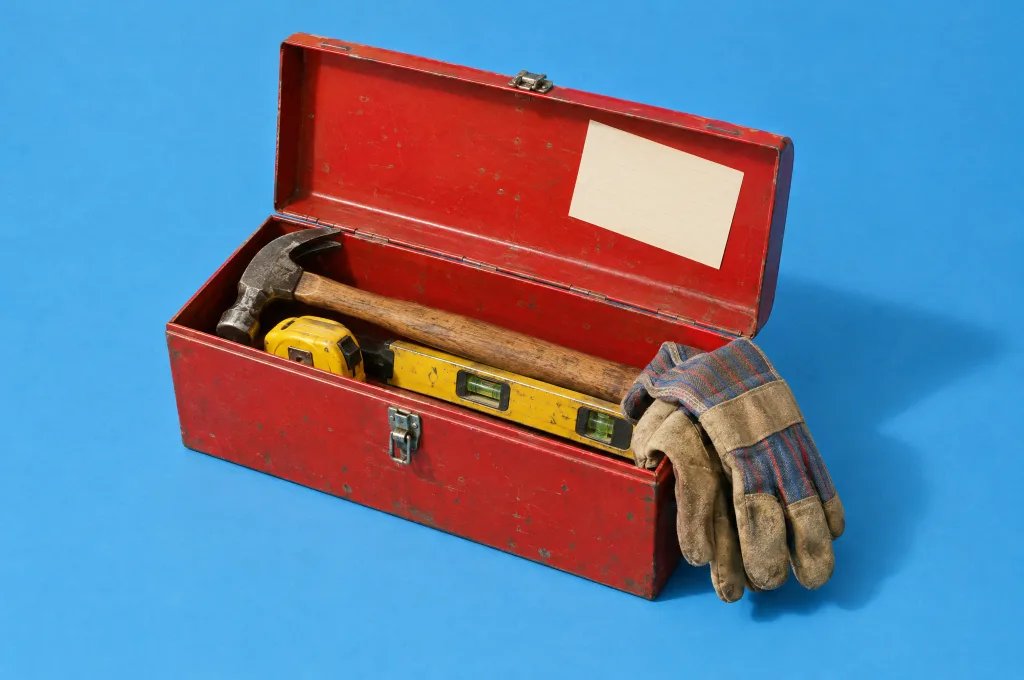
- Portable equipment, for tools and gear you take to jobs, including theft from your vehicle under the policy’s conditions. It can be added to the same business insurance pack.
- Professional indemnity, if you are paid for advice, design or specialist services. Real prices are in how much is professional indemnity insurance.
- Personal accident or income protection, for your own injury or illness, since there is no employer behind you.
- Commercial motor, for a ute or van used for work.
Not sure which of these applies to your work? Help me choose asks two or three questions and shows the covers commonly held by people who answer the same way.
Price your own public liability
One online form, more than one insurer pricing it, and the insurer’s certificate of currency sent with your documents once it’s placed.
Questions sole traders ask about public liability
Do sole traders need public liability insurance?
It is generally not a legal requirement, but many sole traders can’t work without it: landlords, councils, markets, venues and head contractors commonly ask for it, often at $10 million or $20 million, and some trade licences require it. And because a sole trader is personally liable for the business, a claim can reach your own savings and home.
How much is public liability insurance for a sole trader?
For the low-turnover businesses we priced, public liability alone came back between about $300 and $830 a year at $5 million to $10 million of cover. A graphic designer turning over $120,000 was $309 to $411 for $10 million. The type of work matters most: a sole trader doing building work will usually pay much more than one working from a desk.
Does public liability cover me if I get injured?
No. Public liability covers your legal liability for injury to other people and damage to their property. Your own injury or illness is the job of personal accident or income protection cover, and your own tools are covered by portable equipment cover, not public liability.
I work as a subcontractor. Doesn’t the builder’s policy cover me?
Usually not. A head contractor’s policy is written to protect the head contractor, and most will ask you for your own certificate of currency before you start on site. If they want your cover to note them, tell your broker who and why.
Can I get public liability without an ABN?
A business policy is written for a business, so insurers expect one. When Gary records a sole trader as the insured, it asks for the ABN. If you are not yet in business and only need cover for a one-off, ask a broker what fits.
Is this advice for me?
No. This is general information. It doesn’t consider your objectives, financial situation or needs. The prices are real examples for specific answers, not a quote for you. Read the PDS for any cover you are considering.
More plain-English reading in Gary’s guides.
Important
This guide is general information only and is not personal advice. It doesn’t take into account your objectives, financial situation or needs. It summarises published documents as they stood when we read them; insurers change their wordings, and a policy’s schedule and endorsements can change how its wording applies. Quotations are reproduced for commentary and are accurate to the versions listed. Before deciding on any cover, read the PDS, policy wording and Target Market Determination for that product. Gary is not suggesting any of the insurers named is, or isn’t, right for your business.
Want to see what public liability cover costs you?
One form, the PDS beside every price, and a broker to ask when a condition doesn’t make sense.